
I DID EVERYTHING RIGHT
Women should not have to make themselves smaller to survive. We should not have to surrender our freedom, our routines, or the spaces we occupy because of the actions of violent men.
Women deserve to exist safely in public spaces — and in all spaces. We deserve to move through the world without fear. And we deserve a society that demands men stop perpetrating violence in the first place.

Deferred Womanhood
At 25 weeks pregnant and in my second year of legal practice, I have reflected deeply on the culture of our profession, the internalised expectations many women in law carry, and the idea that ambition and motherhood cannot coexist.
But I am still a lawyer. I am still progressing. I am also pregnant. Those identities are not in competition; they are coexisting.
I wrote a blog titled Deferred Womanhood about pregnancy, feminism, ambition, and the legal profession — and why the most radical shift may be refusing the premise that career and family are mutually exclusive in the first place.
maybe you just hate women
Even in a world of fiction, where anything is possible, female characters, much like reality, are still held to patriarchal expectations and demanded to be likeable above all. If not, they are met with the inevitable cruel fate of being defined by others and never believed.
“sleep content”
A recent CNN investigation has exposed a disturbing online network where violence against women is not only facilitated but reframed through euphemistic language such as “sleep content.” Operating across encrypted platforms, these groups share explicit guidance on drugging, assaulting, and filming women while evading detection. Survivors have described profound harm, compounded by disbelief when seeking help from authorities. This is not an isolated phenomenon, but part of a broader cultural landscape in which sexual violence is increasingly normalised through digital spaces.
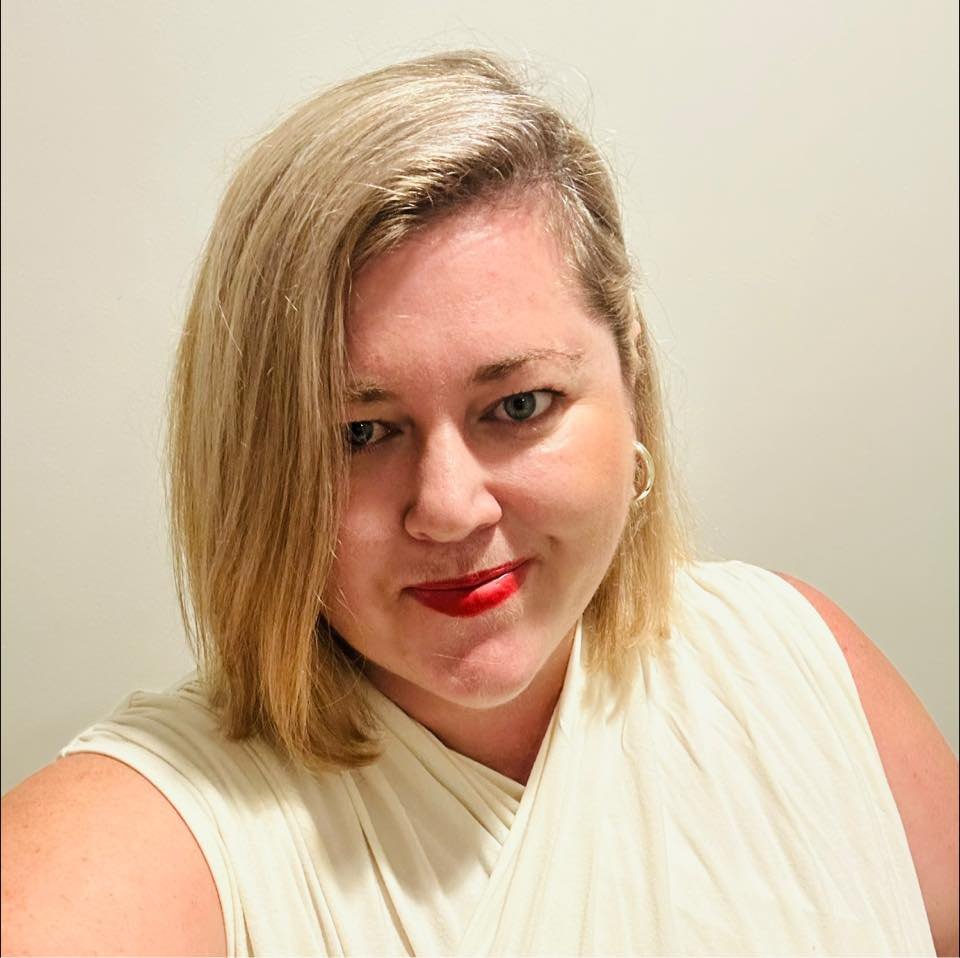
SURVIVAL IS AN INSTINCT
Survival is an Instinct asks a confronting yet necessary question: when formal systems fall short, can survival itself become a form of justice? Through a fusion of memoir and fiction, Brooke Forbes explores the nonlinear, often isolating realities of trauma, mental illness, and recovery, inviting readers into a space where healing is ongoing, storytelling is reclamation, and survival is not just endurance, but quiet resistance.
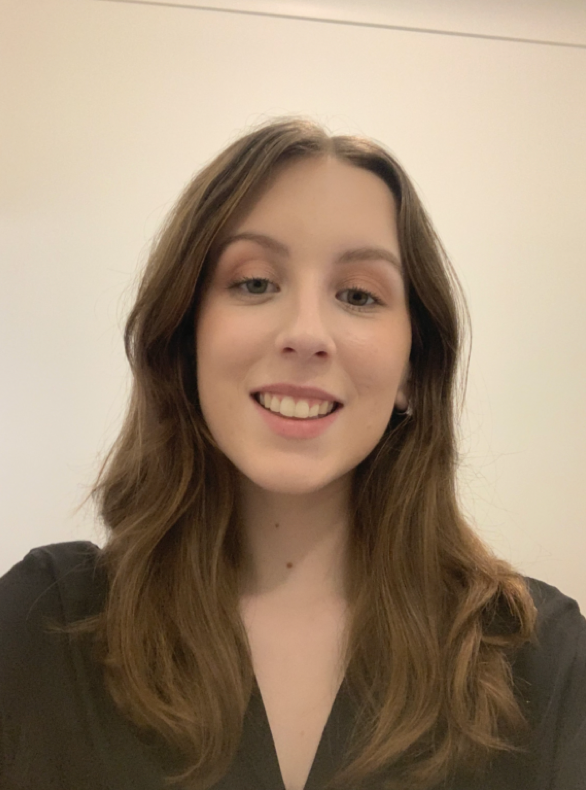
neutrality of language
Neutral language is often assumed to reflect objectivity, particularly in legal and institutional settings, but when commonly used phrases reinforce outdated assumptions about consent, trauma, and victim behaviour, they are not neutral at all, they shape belief. Repeated across reports, courtrooms, and media, this language quietly constructs expectations about what a “real” victim looks like and where responsibility lies, embedding scepticism without ever stating it outright. True objectivity is not about maintaining the appearance of neutrality; it is about using precise, evidence-informed language that reflects the realities of sexual violence. If we want systems that genuinely support victim-survivors and deliver justice, we must first recognise that the words we use are not passive - they are powerful.

WEAPONISING TRAUMA
Weaponising trauma occurs when behaviours that are well-recognised responses to abuse are deliberately framed as evidence that the abuse did not occur. It occurs when a survivor’s silence, delay in reporting, continued communication with a perpetrator, or attempts to preserve family stability are presented as proof of fabrication. While such arguments may appear tactically advantageous in litigation, they risk reinforcing the very dynamics of power and control that often underpin abusive relationships. In doing so, the legal process can inadvertently mirror the patterns of invalidation and manipulation that victims have already experienced.
wuthering heights
For months, the latest adaptation of Wuthering Heights directed by Emerald Fennell has dominated cultural discussion. Critics, readers, and audiences have debated everything from casting choices to narrative framing. Like many others, I have found myself deep in those conversations — reading analysis, revisiting the novel, and questioning why a book written in 1847 still exposes such uncomfortable truths about how women’s stories are framed today.
Because the real question raised by the new adaptation isn’t simply about literary interpretation. It’s about who gets to tell complex stories — and how those stories are allowed to exist once they are told.
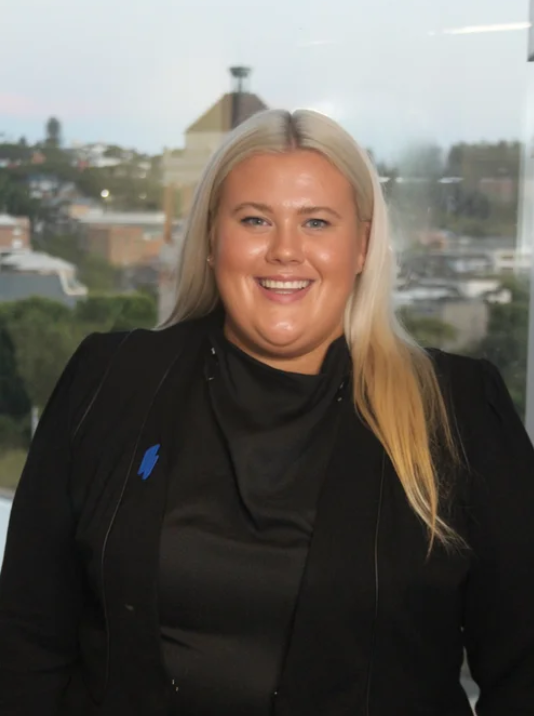
SAFE PATH CAMPAIGN
When someone presents to a hospital after sexual assault or domestic violence, time matters. Medical care matters. Evidence matters. And yet, across NSW, survivors are still encountering a fragmented and under-resourced system that fails to deliver consistent, trauma-informed responses at the point of crisis. Safe Path is a campaign led by WGG Australia to address a critical and longstanding gap in the New South Wales health system
assumptions
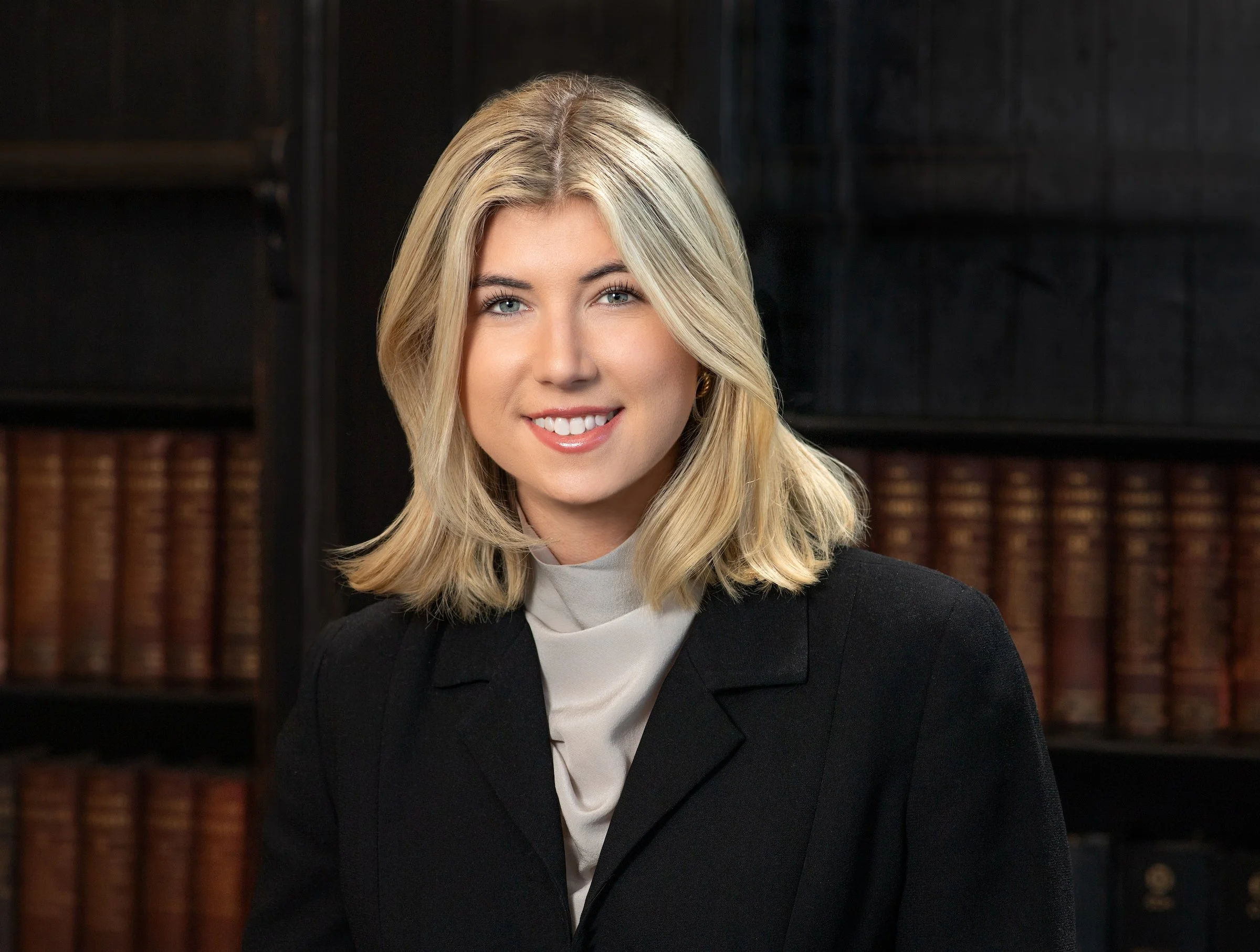
Assumptions about a woman’s sexuality remain one of the most insidious and unexamined forms of gendered harm in modern workplaces. At WGG Australia, we continue to hear from women whose careers are derailed not by evidence or misconduct, but by rumour, perception, and unchecked bias. This recent anonymous submission — where a young woman was dismissed over an unverified allegation treated as fact — reveals how quickly speculation can harden into reputational damage and professional consequences. Her story reflects a broader systemic pattern: women punished for imagined wrongdoing while institutions routinely overlook or minimise credible allegations against men. This is not about comparison, but about confronting the structural failures that allow reputations to be destroyed on the basis of innuendo, and demanding workplaces commit to accountability, fairness, and genuine cultural change.

trauma & healing
Healing after trauma is not about erasing the past — it’s about rebuilding trust, safety, and self-compassion one step at a time. In Australia, trauma-informed care is helping survivors reconnect with their bodies, emotions, and sense of control. From creating safe environments and acknowledging what happened, to seeking professional support and celebrating small wins, recovery is a gradual process rooted in gentleness and resilience. Healing is possible — and it begins with small, consistent acts of care.
teaching consent
Consent isn’t just a concept for adults or romantic relationships. Teaching children about consent from a young age builds a foundation of respect, safety, autonomy, and empathy. When done thoughtfully and age-appropriately, consent education empowers children to protect their boundaries, understand respect, and navigate relationships more safely as they grow.

SABRINA CARPENTER
Sabrina Carpenter’s Man’s Best Friend album cover—her on all fours with her hair held by a man—has been called “regressive” and “anti-feminist.” But rather than submission, the image plays with irony and control. From the sarcastic anthem Manchild to her bold stage performances, Carpenter satirises gender roles and embraces sexuality on her own terms. In doing so, she unsettles a culture still uncomfortable with women owning their narrative without apology. Even on all fours, Carpenter commands the scene. The cover doesn’t glamorise dominance—it questions it.

mediation & dfsv
Mediation is often praised as a kinder, cheaper alternative to court, giving families the chance to find their own solutions. But when family violence is involved, the stakes change. Power imbalances, fear, and coercion can undermine the very principles mediation is built on, neutrality and free choice. This blog explores whether mediation can ever be safe or appropriate in cases of family violence, the safeguards that matter most, and why sometimes the courtroom is the only just path forward.
tech & gbv
In today’s digital world, technology is woven into every part of our lives; how we work, connect, communicate, and move through the world. While it offers many benefits, it also opens new doors for harm.